Qatar India UK

Running a business means juggling many tasks. One of the most important tasks is making sure your products meet standards. When your products are tested in an ISO Approved lab, you gain trust. Customers, partners, and regulators all look for proof that your products are safe and reliable. In this blog post, we explain the real benefits of ISO lab certification. We keep the words simple. We keep the ideas clear. Quality matters. Every business wants quality. But saying “we have quality” is not enough. Third-party certification proves it. When a trusted lab tests your products, you back your claims with facts. This builds confidence in your brand. People trust verified results more than claims. That’s why lab certification plays a big role in business growth.

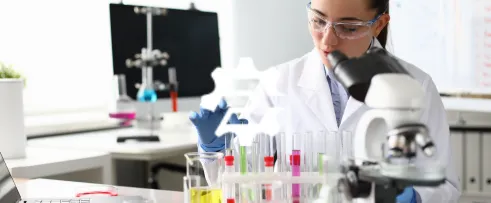
Technician conducting quality testing inside an ISO approved laboratory facility


Testing in a certified lab helps reduce mistakes. When you know your product meets a standard, you avoid costly returns and recalls. A certified lab follows strict procedures. Their results are dependable. This means your team can act on the results with confidence. Instead of guessing, you have data. Clear data leads to better choices. Wise decisions protect your reputation and your profits.

What Certification Means for Your Business

Standards are not just rules. They are a way to show your business works in a consistent way. Certification proves you meet those standards. This matters in local markets and in exports. Many countries require certified tests before letting products enter their market. This is where lab certification becomes more than a nice-to-have. It becomes a must-have. Working with independent labs also improves your internal processes. When your product goes through formal testing, your team learns from the feedback. This helps you improve product quality quickly. Over time, better quality becomes part of how you work. This makes your entire business stronger. Certified results also help during audits. When regulators come, you can show reliable test reports. This saves time. It eases stress. It keeps your business running. Audit success is not just about passing. It’s about proving you work responsibly.

Boosting Confidence with Third-Party Testing

Customers today ask tough questions. They want proof. They want safety. They want reliability. When your lab tests are certified, your answers are stronger. This is especially true when the lab is known and trusted. A certification gives weight to your product claims. This builds lasting customer confidence. Bigger companies often require suppliers to use certified labs. This protects their brand and their customers. When your business meets these requirements, you open doors. Doors to bigger deals. To better partnerships. A certified lab result is like a business ticket. It lets you play in a bigger league.

ECAS Approved Lab and Market Access

As your business grows, you will meet more rules. Some markets require specific approvals. Being connected with an ECAS Approved lab ensures your products meet these requirements. It simplifies entry into regulated markets. This can speed up approvals and reduce delays.

Laboratory professional performing compliance testing in an ECAS approved lab


Approval through ECAS shows your product is tested against recognised standards. It means the testing follows set rules. This makes your product easier to accept in global trade. It also shows transparency. When buyers see recognised lab approvals, they feel secure about doing business with you. Using an approved lab also minimizes risks. You avoid legal issues that can arise from improper testing. You protect your brand. You protect your customers. You protect your future sales.

Certification Helps Small and Large Businesses

Many small businesses think certification is only for big companies. This is not true. Small businesses benefit as much, if not more. For a small brand, certification brings credibility fast. It tells the market you are serious about quality. This levels the field between you and larger competitors. Large businesses also need certified tests. They have strict compliance needs. They face bigger penalties if a product fails. Certified labs help these businesses stay compliant at every step. This makes operations smoother, safer, and more predictable.

Certification Saves Money in the Long Run

Initially, you may see testing as an expense; however, testing saves money later on. You could incur greater costs from returns and reputation damage if you sell defective products compared to the cost of performing tests before shipping the products. Additionally, test reports from certified labs allow you to identify issues early; fixing issues is less expensive when addressed sooner and keeps customers satisfied. Reliable testing helps to minimize assumptions; therefore, you will spend less time on rework due to any quality problems your team encounters. As a result, you will have lower production costs due to significantly reduced rework levels, which will add together over time and protect your margins through the certification process.

Using Results in Marketing and Sales

Certified lab reports are not just for regulators. They are a marketing tool too. You can use them to show your product’s strengths. Add certified results to your brochures, website, and product labels. This builds trust with customers who value proof over promise. Buyers often compare products based on test results. When your competitors lack certified data, your product stands out. Certification becomes a competitive edge. It shows you care about quality more than the rest.

Long-Term Business Growth

Certification supports long-term goals. It shows your business is serious about quality and safety. It strengthens your relationships with partners. It protects your brand reputation. It also makes internal systems stronger. When your business works with clear standards, growth becomes easier and more sustainable. Getting certified results from a trusted source is a strategy for steady success. It builds confidence among customers and partners. It protects your products and your profits. These benefits last as your business grows.

HACCP Testing Lab and Food Safety

Food safety analysis being conducted inside a HACCP testing laboratory


Food organizations and other companies in the food chain depend on the safety of the products they purchase. If a company uses a lab that performs HACCP testing lab, they are ensuring that their food products are made according to strict guidelines and procedures. HACCP certification is about finding and controlling hazards as they relate to food production; this process reduces the risk of potential harm to consumers. Certification demonstrates to the consumer that the company is trustworthy, which contributes to maintaining a positive brand image. Additionally, certification helps organizations to comply with laws and regulations. Companies that use certified testing are more likely to produce safe food. This reduces the risk of recalls and other legal problems. It also enhances the relationship between food buyer(s) and food manufacturers by establishing a mutual expectation for safe, sustainable, and quality food products.

Tags:
ISO Standard Testing Lab ECAS Approved Lab ESMA Testing Lab
Our Services
  • Stack Emissions (chimney, exhaust)
  • Dust / Particulate Matter (PM10, PM2.5)
  • Odor Monitoring
  • Uncategorized
Surface & Material Sampling
  • Swab (equipment, surfaces, food-contact areas)
  • Soil (contaminated soil, agricultural soil)
  • Sediment (riverbed, lake sediment)
  • Microbial Surface Samples
  • Noise & Physical Environment
Noise (industrial noise, environmental noise, occupational noise)
  • Vibration (machinery, construction)
  • Light / Illumination (lux levels, workplace lighting)
  • Heat Stress / Thermal Conditions
Solids, effluents, sludge & Hazardous Materials
  • Solid Waste (municipal, industrial)
  • Hazardous Waste (chemical, biomedical)
  • Construction & Demolition Waste
Chemical & Biological Analysis
  • Chemical Contaminants (metals, nutrients, organics)
  • Microbiological Analysis (bacteria, viruses, fungi)
  • Toxicology (toxins, pesticides)
  • Industrial Hygiene Samples (workplace exposure)
  • Emission Monitoring (SO₂, NOx, CO, VOCs)
  • Pulses & Legumes
  • Fresh Fruits
  • Fresh Vegetables
  • Nuts & Dry Fruits
  • Uncategorized
  • Milk & Dairy Products (cheese, yogurt, butter, ghee)
  • Seafood & Fish
  • Eggs & Egg Products
  • Canned & Preserved Foods (pickles, jams, canned vegetables)
  • Ready-to-Eat / Ready-to-Cook Foods
  • Frozen Foods (frozen vegetables, frozen meals)
  • Sauces & Condiments (ketchup, mayonnaise, soy sauce)
  • Cereals & Breakfast Foods
  • Uncategorized
Industrial & Specialty Food Categories
  • Food Additives (preservatives, stabilizers, colors)
  • Flour & Milled Products (maida, atta, semolina)
  • Protein Products (soy protein, whey protein)
  • Health & Nutrition Foods (energy bars, supplements)
  • Organic & Specialty Foods (gluten-free, vegan products)
Culinary & Prepared Food Categories
  • Cooked Meals
  • Restaurant & Catering Foods
  • Ethnic & Regional Foods
  • Water Microbiology (total coliforms, fecal coliforms, HPC)
  • Air Microbiology (airborne bacteria, fungal spores)
  • Surface/Swab Microbiology (food-contact surfaces, equipment hygiene)
  • Antimicrobial Resistance Screening (general resistance markers, non-clinical)
  • Microbial Identification (biochemical, MALDI-TOF style identification)
  • Algal Toxins (general categories like microcystins, saxitoxins)
  • Bacterial Toxins (staphylococcal enterotoxins, botulinum toxin families)
  • Marine Biotoxins (paralytic, diarrhetic, neurotoxic shellfish toxins)
  • Plant & Natural Toxins (ricin-like plant toxins, general phytotoxins)
  • Bactericidal / Bacteriostatic Activity General assessments of how well a product reduces or inhibits bacterial growth.
  • Surface Disinfection Efficacy Evaluating cleaning agents, disinfectants, and sanitizers on hard surfaces.
  • Minimum Inhibitory Concentration (MIC) Determining the lowest concentration that inhibits bacterial growth.
  • Minimum Bactericidal Concentration (MBC) Determining the lowest concentration that kills bacteria.
  • Time-Kill Studies Measuring bacterial reduction over specific time intervals.
  • Biofilm Reduction Testing Assessing efficacy against biofilm-forming bacteria.
  • Uncategorized
Antifungal Efficacy Testing
  • Fungicidal / Fungistatic Activity Evaluating effectiveness against yeasts and molds.
  • MIC for Fungi Determining inhibitory concentrations for fungal species.
  • Surface & Material Fungicidal Testing For disinfectants, coatings, and environmental surfaces.
  • Mycotoxin-Producing Fungi Control Assessing inhibition of toxin-producing fungal species.
  • Antifungal Time-Kill Studies Measuring fungal reduction over time.
  • Surface Virucidal Efficacy Testing disinfectants on non-porous surfaces.
  • Suspension Tests Evaluating antiviral activity in liquid environments.
  • Molecular Detection of Viral Reduction Using general nucleic-acid–based quantification to measure viral load changes.
  • Envelope vs. Non‑Envelope Virus Efficacy
  • Uncategorized
Compatibility & cytotoxicity studies
  • Cytotoxicity Screening
  • Ensuring products are not harmful to test systems.
  • Stability & Compatibility Testing
  • Biocompatibility
Skin, Hair & Body Care Product Testing
  • Skin Care Products .
  • Hair Care Products
  • Body Care Products
  • Pathogen Screening General detection of harmful microorganisms.
  • Heavy Metals Screening
  • Residual Solvents & Contaminants
  • Fragrance & Allergen Profiling
  • Household Cleaning Products
  • Laundry Products
  • Baby Care Products
  • Plastic & Packaging Materials
  • Uncategorized
FCM and package testing
  • migration analysis
  • Leachables & Extractables
  • Barrier Properties
  • Mechanical Strength
  • Aging properties
  • Sterility
  • Uncategorized
  • Physical & Mechanical Tests
  • Seam strength & slippage
  • Pilling resistance
  • Abrasion resistance
  • Dimensional stability
Colorfastness Tests
  • Colorfastness to washing
  • Colorfastness to rubbing (crocking)
  • Colorfastness to perspiration
  • Colorfastness to light
  • Colorfastness to water, seawater, chlorinated water
Chemical and harmful substance Testing
  • pH value
  • Formaldehyde content
  • Azo dyes
  • Heavy metals
  • Phthalates
  • Allergenic dyes
  • Flame retardants
Comfort & Performance Tests
  • Air permeability
  • Moisture management
  • Thermal resistance
  • Wicking properties
Flammability Tests
  • Apparel flammability
  • Children’s sleepwear flammability
  • Upholstery flammability
Non woven and woven textile testing
  • mask
  • diaper
Leather products and accessories Testing
  • Physical & Mechanical Tests
  • Tensile strength
  • Tear strength
  • Flex resistance
  • Adhesion of finish
  • Water absorption & desorption
  • Flexing resistance
  • Slip resistance
  • Impact & compression resistance
  • Torsion & bending stiffness
  • Cushioning performance
Safety shoe testing
  • Upper material strength
  • Outsole abrasion
  • Midsole hardness
  • Adhesion between layers
Durability and strength Tests
  • Heel fatigue
  • Eyelet & lace strength
  • Zipper durability
Metals
  • Tensile Testing
  • Compression Testing
  • Impact Testing (Charpy/Izod).
  • Hardness Testing
  • Chemical Composition Analysis
  • Corrosion Testing
  • Metallography
Ceramics
  • Compression Testing
  • Flexural Strength (3 point/4 point bend)
  • Hardness Testing.
  • Thermal Shock Resistance.
  • Porosity & Density Testing
Composites (Fiber reinforced materials)
  • Tensile, Flexural & Shear Testing.
  • Impact Testing
  • Delamination Testing
  • Thermal Analysis
  • Fatigue Testing
Destructive Testing (DT)
  • Tensile, compression, bend, impact, hardness.
  • Used to determine ultimate strength and failure behavior.
  • Magnetic Particle Testing
  • Dye Penetrant Testing
  • Visual Inspection These methods evaluate internal or surface defects without damaging the material.
  • Water Consumption Measurement & Efficiency Rating
  • Toilet & Urinal Water Efficiency Evaluation
  • Compliance Testing for Water Efficiency Labeling Schemes
Sanitary Appliance Performance Testing
  • Toilet Flush Performance & Functional Testing
  • Basin, Sink & Tap Performance Evaluation
  • Showerhead & Bidet Spray Testing
  • Leakage, Pressure & Durability Testing
  • Sanitary Fixture Safety & Reliability Assessment
Fire Safety Testing Services
  • Fire Resistance Testing for Building Materials
  • Flame Spread & Smoke Development Testing
  • Ignitability & Combustion Behavior Assessment
  • Heat Release Rate & Fire Growth Analysis
  • Fire Propagation & Thermal Exposure Testing
  • Textile & Fabric Flammability Testing
  • Plastic & Polymer Flammability Evaluation
  • Foam, Upholstery & Furniture Fire Testing
  • Cable & Wire Flame Retardancy Testing
  • Packaging & Consumer Product Flammability Testing
  • Uncategorized
Structural Engineering Testing Services
  • Structural Integrity Assessment & Load Testing
  • Vibration, Deflection & Dynamic Response Analysis
  • Material Strength & Structural Performance Evaluation
  • Non‑Destructive Testing (NDT) for Structural Components
  • corrosion
  • Structural Safety Certification & Compliance Testing
  • Sound Transmission Class (STC) & Impact Insulation Class (IIC) Testing
  • Environmental Noise Measurement & Monitoring
  • Room Acoustics & Reverberation Time Testing
  • Noise Control, Vibration Isolation & Acoustic Compliance
  • IT & Audio‑Video Equipment
  • Industrial & Commercial Electronics
  • Lighting Products & LED Systems
  • Smart Devices, IoT & Wireless Equipment
  • Radiated & Conducted Immunity Testing
  • Electrostatic Discharge (ESD) Testing
  • Surge, EFT & Voltage Dips Testing
Electrical & Electronics Safety Testing
  • Electrical Shock & Fire Hazard Assessment
  • Insulation Resistance & Dielectric Strength Testing
  • Leakage Current & Grounding Continuity Testing
  • Temperature Rise & Overload Protection Testing
  • Safety Compliance to IEC, UL, EN & ISO Standards
Energy Efficiency Testing
  • Energy Consumption Measurement & Efficiency Rating
  • Standby Power & Idle Mode Testing
  • Energy Labeling Compliance (EU, MEPS, SASO, DOE)
  • Performance Testing for Household & Industrial Appliances
  • Eco‑Design & Energy Star Compliance Evaluation
Soil Chemical and physical Properties
  • pH —
  • Electrical Conductivity (EC) —
  • Organic Matter Content
  • Cation Exchange Capacity (CEC)
  • Carbon-to-Nitrogen Ratio (C:N)
  • Texture
  • Bulk Density
  • Porosity & Water Holding Capacity
  • Infiltration Rate
  • Aggregate Stability
Soil Biological and contamination Tests
  • Microbial Biomass
  • Soil Respiration
  • Earthworm Count
  • Enzyme Activity
  • Heavy Metals —
  • Pesticide Residues
  • Hydrocarbons
  • Pathogens
  • NPK Content
  • Micronutrients
  • Organic Carbon
  • Granule Size & Uniformity
  • Moisture Content
  • Bulk Density
  • Solubility
  • Heavy Metals
  • Pathogens
  • Adulteration Detection
  • Uncategorized
G-Mark (Gulf Conformity Mark)
  • Low voltage electrical equipment
  • Children’s toys
  • Some mechanical products
GSO and SASO (Saudi Standards) compliance testing
  • SASO Quality Mark
  • SASO IECEE Recognition
  • Energy efficiency labeling
  • Water efficiency labeling
UAE-Specific Compliance and DCD, DCL Approvals
  • ECAS — Emirates Conformity Assessment Scheme
  • EQM — Emirates Quality Mark
  • ESMA standards (now MOIAT)
ESMA, MOIAT, ECAS and SABER registration
  • GSO technical regulations for Cosmetics
  • GSO technical regulations for Detergents
  • GSO technical regulations for Fertilizers
  • GSO technical regulations for Halal certification
CE Marking
  • Low Voltage Directive (LVD)
  • EMC Directive
  • Machinery Directive
  • Toy Safety Directive
  • Medical Devices Regulation (MDR)
  • Construction Products Regulation (CPR)
Product-Specific Standards
  • EN standards (EN 71 for toys, EN 388 for gloves, EN 14683 for masks)
  • Eco-design & energy labelling
  • R&D and Analytical Services
  • Uncategorized

Let’s talk. Subscribe Now!