 Qatar
Qatar
 India
India
 UK
UK

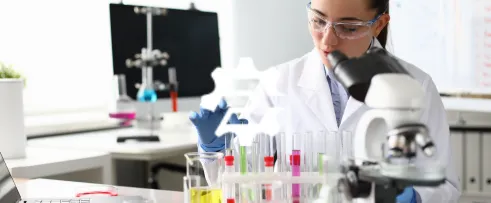
Biofilm Reduction Testing assesses the ability of antimicrobial products to prevent, reduce, or eliminate microorganisms embedded within biofilms. Unlike free-floating (planktonic) bacteria, biofilm-associated microorganisms are protected by a self-produced extracellular matrix, making them significantly more resistant to disinfectants, antibiotics, and environmental stresses. This testing is essential for products intended for use in healthcare, food processing, water treatment, and industrial environments where biofilm formation can compromise hygiene and safety.
Several internationally recognized standards are available for biofilm efficacy testing. ASTM E2871 evaluates the effectiveness of antimicrobial agents against biofilms grown in the CDC Biofilm Reactor, while ASTM E2799 provides a standardized method for cultivating Pseudomonas aeruginosa biofilms using the same reactor system. These methods enable quantitative measurement of biofilm reduction and are widely used to validate disinfectants, sanitizers, medical device disinfectants, and antimicrobial surface treatments under controlled laboratory conditions.


 Ajman
(UAE)
Abu Dhabi
(UAE) Doha
(Qatar) Gurugram
(India)
Ajman
(UAE)
Abu Dhabi
(UAE) Doha
(Qatar) Gurugram
(India) Shanghai
(China) Dudley (UK)
Dubai
(UAE)
Shanghai
(China) Dudley (UK)
Dubai
(UAE)©2026, Mets Lab All Rights Reserved

