



Compliance with product-related regulations and standards is a critical factor in today’s world of product development and manufacturing. Products must pass certain thresholds concerning quality, safety and compliance to be able to sell to customers. The consumer protection provided by product standards help to ensure that purchased items work as intended. If businesses do not have products verified for compliance, they can experience product failures, have to deal with legal problems arising out of non-compliance, and/or ruin the reputation of their company.
By partnering with a WELL laboratory for WELL testing, a company can ensure that the product(s) they intend to market conform to the regulatory and compliance requirements established by an authority. A WELL testing lab conducts various types of professional measurements and/or testing of products and the results are used by the company in establishing that all regulatory requirements for the product have been met. As industries have continued to grow, regulations have become increasingly strict and therefore, testing is now an essential part of responsible product manufacturing.

Understanding Product Compliance
The term product compliance indicates that a product meets the guidelines and rules established by either regulatory agencies or trade associations or both. These guidelines cover all aspects of a product such as material quality; safety; performance; or how it will impact our environment. Products must also have been shown to be safe for use before being used normally.
Manufacturers usually have to demonstrate compliance before selling their product(s). The most common form of showing compliance is through laboratory testing and type approvals. Without laboratory tests and proof there may be regions and industries where that product cannot be sold.
For that reason, companies typically use independent professional laboratories to test and provide accurate testing results.
The Importance of Professional Testing
Professional test laboratories are highly regulated facilities designed to provide controlled environments for the application of advanced technology and Science to the physical testing of products. Professional test laboratories follow very strict procedures in order to ensure that each test is performed consistently and accurately throughout the entire lab.
Professional test laboratories have trained and knowledgeable technicians performing the testing and documenting the results.
Testing is essential for companies in order to ensure their products are within safety, compliance, and technical specifications. Additionally, testing provides an opportunity for companies to identify potential defects during the design and development process. By identifying a defect prior to the manufacturing of the product, a company can save both time and money.
By having testing performed by a professional test laboratory, companies can be confident in the quality and compliance of their products to applicable safety and compliance regulations. Thus, reducing the company’s probability of failure from an unexpected issue or issue related to compliance or safety.
Supporting Reliable Product Quality
Reliable quality of products is a primary purpose of compliance testing. Compliance testing provides the manufacturer of a product with detailed information about its characteristics/performances which help to guarantee similar levels of quality across all units produced. This type of testing also facilitates and supports ongoing improvements and refinements in the product development process. The plant’s engineers/manufacturers utilize the results from compliance testing laboratories to improve or refine materials, modify designs, and improve manufacturing procedures to produce stronger, more reliable products over time.
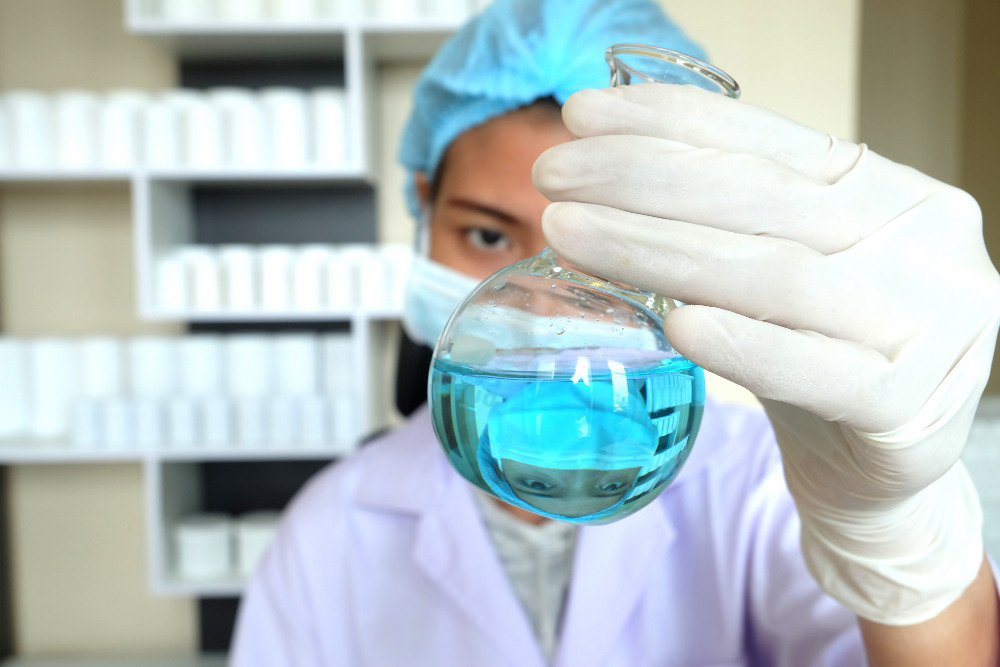
Many industries require special testing laboratories when examining specific kinds of substances/materials. A water testing laboratory, for example, provides a detailed analysis of the chemical composition of the water and evaluates the overall water quality (i.e., the safety of the water), all of which are critical in providing safe and appropriately-tested water systems. Testing is conducted per very specific testing requirements of the water-testing laboratories and must conform to very strict testing standards in order to produce accurate and reliable results. The products of water testing laboratories are crucial for supporting industries that require safe water testing systems.
Helping Businesses Meet Regulations
Different industries operate under different regulatory frameworks. Governments and international organizations establish rules to protect public health, environmental safety, and product reliability. Compliance testing helps companies confirm that their products follow these rules.
Laboratories that specialize in product testing understand these regulations and perform tests based on recognized standards. This ensures that results are accepted by authorities and certification bodies.
Trust Through Reduced Risk
Businesses face significant risk when they do not comply with regulations. If a company’s product does not achieve safety certification, it may be removed from the market by government officials or recalled after being sold to consumers. Potential damages can be severe and could lead to substantial loss of income and reputation.
Testing labs can help mitigate this risk and enhance the likelihood of a company’s success by allowing manufacturers to recognise issues before they become major problems. By testing all the elements of the product (raw materials, parts, and finished product) against established specifications, a testing lab can assure that a manufacturer has met the required quality criteria before the product reaches the consumer. By following this proactive quality assurance strategy, testing labs can help reduce the number of product failures the manufacturer will experience, while maintaining consistency in the quality of its products.
The Value of Certified Laboratories
Certification can be critical to determining a laboratory’s reliability for conducting test results. Following an established quality management system enables laboratories to implement processes in a systematic manner that provides conformity, accuracy, and reliability of test results.
ISO approved lab are certified based on their compliance with international and industry standards for laboratory operations and test methods. Laboratories utilize internationally recognized test methods to calibrate equipment and to train their technicians to the applicable training standard. As a result of laboratory certification, commercial industries can trust the test results provided by those certified laboratories as accurate and compliant with all applicable regulations and requirements.

Conclusion
Product compliance is essential for businesses that want to deliver safe, reliable, and high-quality products. Regulations and industry standards exist to protect both consumers and manufacturers. Meeting these requirements requires accurate testing and careful verification.
Choosing the right testing partner ensures reliable results, reduces business risks, and supports strong product quality. For manufacturers and businesses, compliance testing is not simply a regulatory requirement. It is an important step in building safe products and maintaining long-term success in competitive markets.





No comment yet, add your voice below!