
Why Choose a WELL Testing Lab for Product Compliance

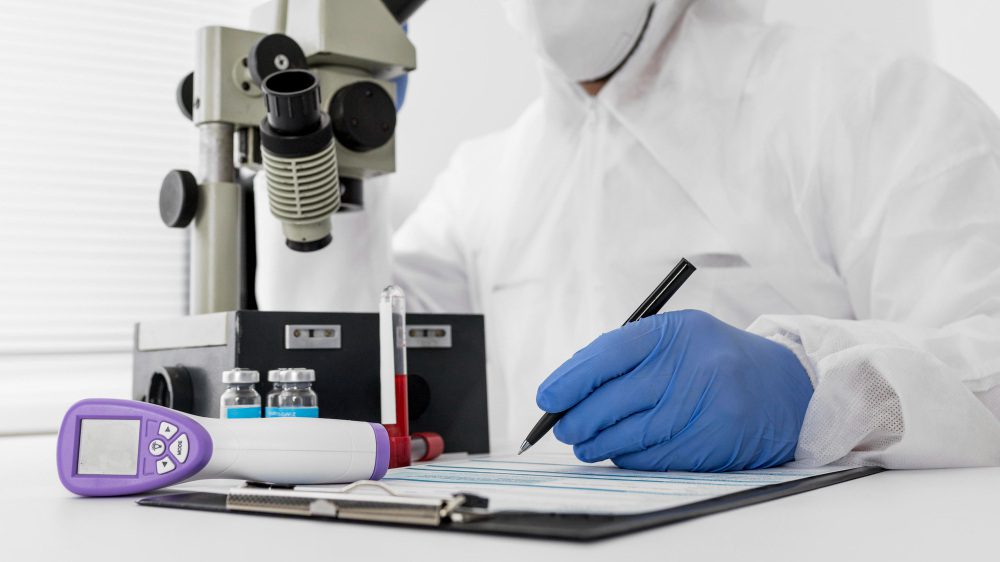
WEL testing lab performing product compliance and quality testing in laboratory

Compliance with product-related regulations and standards is a critical factor in today’s world of product development and manufacturing. Products must pass certain thresholds concerning quality, safety and compliance to be able to sell to customers. The consumer protection provided by product standards help to ensure that purchased items work as intended. If businesses do not have products verified for compliance, they can experience product failures, have to deal with legal problems arising out of non-compliance, and/or ruin the reputation of their company.

By partnering with a WELL laboratory for WELL testing, a company can ensure that the product(s) they intend to market conform to the regulatory and compliance requirements established by an authority. A WELL testing lab conducts various types of professional measurements and/or testing of products and the results are used by the company in establishing that all regulatory requirements for the product have been met. As industries have continued to grow, regulations have become increasingly strict and therefore, testing is now an essential part of responsible product manufacturing.

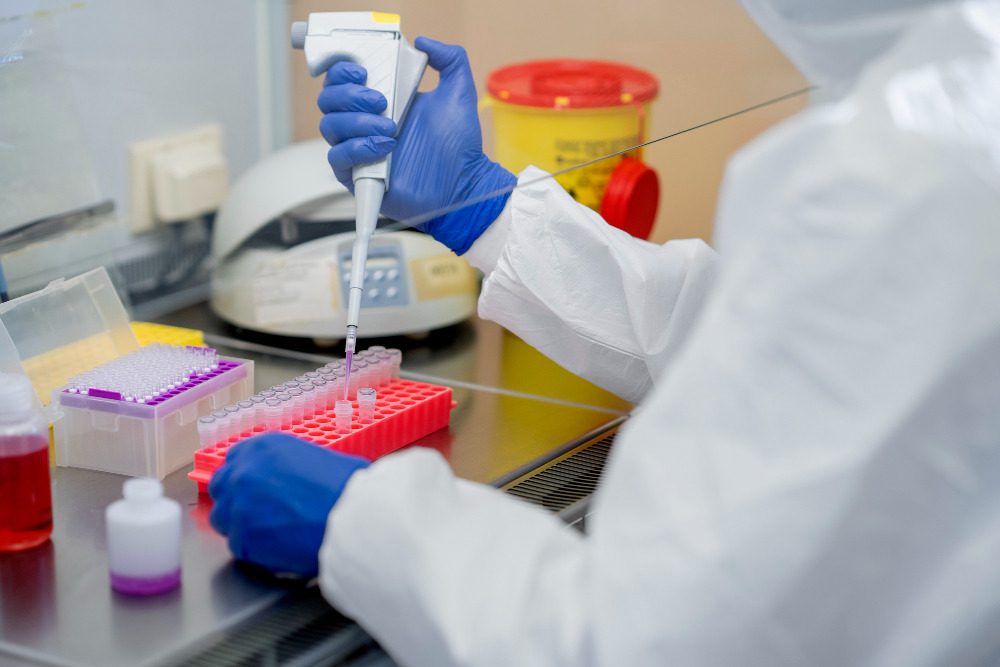
WEL testing lab performing product compliance and quality testing in laboratory

Understanding Product Compliance

The term product compliance indicates that a product meets the guidelines and rules established by either regulatory agencies or trade associations or both. These guidelines cover all aspects of a product such as material quality; safety; performance; or how it will impact our environment. Products must also have been shown to be safe for use before being used normally.

Manufacturers usually have to demonstrate compliance before selling their product(s). The most common form of showing compliance is through laboratory testing and type approvals. Without laboratory tests and proof there may be regions and industries where that product cannot be sold.

For that reason, companies typically use independent professional laboratories to test and provide accurate testing results.

The Importance of Professional Testing

Professional test laboratories are highly regulated facilities designed to provide controlled environments for the application of advanced technology and Science to the physical testing of products. Professional test laboratories follow very strict procedures in order to ensure that each test is performed consistently and accurately throughout the entire lab.

Professional test laboratories have trained and knowledgeable technicians performing the testing and documenting the results.

Testing is essential for companies in order to ensure their products are within safety, compliance, and technical specifications. Additionally, testing provides an opportunity for companies to identify potential defects during the design and development process. By identifying a defect prior to the manufacturing of the product, a company can save both time and money.

By having testing performed by a professional test laboratory, companies can be confident in the quality and compliance of their products to applicable safety and compliance regulations. Thus, reducing the company’s probability of failure from an unexpected issue or issue related to compliance or safety.

Supporting Reliable Product Quality

Reliable quality of products is a primary purpose of compliance testing. Compliance testing provides the manufacturer of a product with detailed information about its characteristics/performances which help to guarantee similar levels of quality across all units produced. This type of testing also facilitates and supports ongoing improvements and refinements in the product development process. The plant’s engineers/manufacturers utilize the results from compliance testing laboratories to improve or refine materials, modify designs, and improve manufacturing procedures to produce stronger, more reliable products over time.
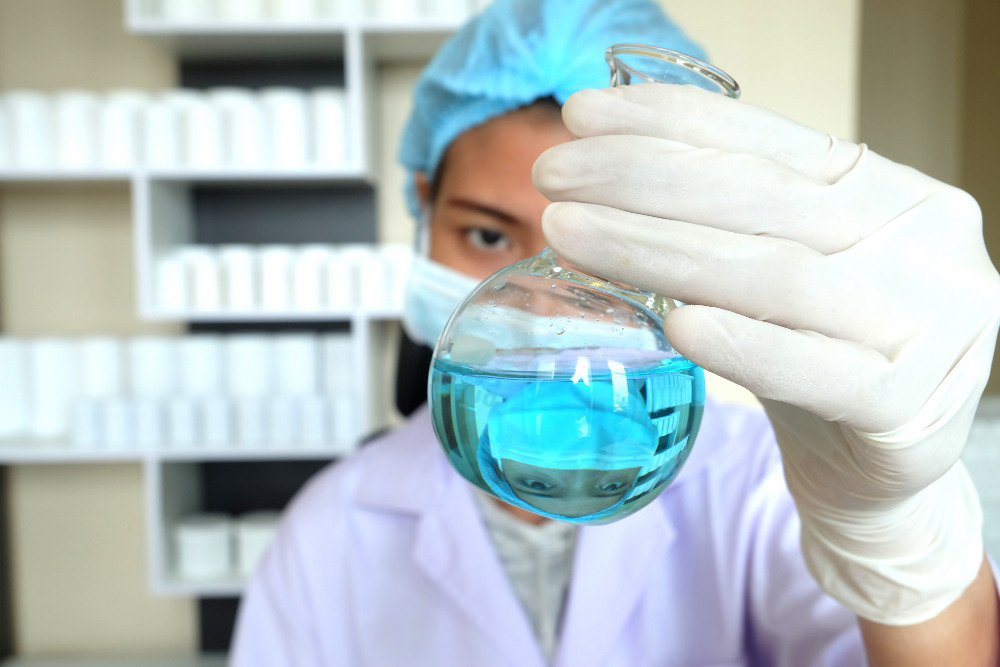
Water testing laboratory analyzing water samples using scientific equipment

Many industries require special testing laboratories when examining specific kinds of substances/materials. A water testing laboratory, for example, provides a detailed analysis of the chemical composition of the water and evaluates the overall water quality (i.e., the safety of the water), all of which are critical in providing safe and appropriately-tested water systems. Testing is conducted per very specific testing requirements of the water-testing laboratories and must conform to very strict testing standards in order to produce accurate and reliable results. The products of water testing laboratories are crucial for supporting industries that require safe water testing systems.

Helping Businesses Meet Regulations

Different industries operate under different regulatory frameworks. Governments and international organizations establish rules to protect public health, environmental safety, and product reliability. Compliance testing helps companies confirm that their products follow these rules.

Laboratories that specialize in product testing understand these regulations and perform tests based on recognized standards. This ensures that results are accepted by authorities and certification bodies.

Trust Through Reduced Risk

Businesses face significant risk when they do not comply with regulations. If a company’s product does not achieve safety certification, it may be removed from the market by government officials or recalled after being sold to consumers. Potential damages can be severe and could lead to substantial loss of income and reputation.

Testing labs can help mitigate this risk and enhance the likelihood of a company’s success by allowing manufacturers to recognise issues before they become major problems. By testing all the elements of the product (raw materials, parts, and finished product) against established specifications, a testing lab can assure that a manufacturer has met the required quality criteria before the product reaches the consumer. By following this proactive quality assurance strategy, testing labs can help reduce the number of product failures the manufacturer will experience, while maintaining consistency in the quality of its products.

The Value of Certified Laboratories

Certification can be critical to determining a laboratory’s reliability for conducting test results. Following an established quality management system enables laboratories to implement processes in a systematic manner that provides conformity, accuracy, and reliability of test results.

ISO approved lab are certified based on their compliance with international and industry standards for laboratory operations and test methods. Laboratories utilize internationally recognized test methods to calibrate equipment and to train their technicians to the applicable training standard. As a result of laboratory certification, commercial industries can trust the test results provided by those certified laboratories as accurate and compliant with all applicable regulations and requirements.

Conclusion

Product compliance is essential for businesses that want to deliver safe, reliable, and high-quality products. Regulations and industry standards exist to protect both consumers and manufacturers. Meeting these requirements requires accurate testing and careful verification.

Choosing the right testing partner ensures reliable results, reduces business risks, and supports strong product quality. For manufacturers and businesses, compliance testing is not simply a regulatory requirement. It is an important step in building safe products and maintaining long-term success in competitive markets.


ISO Approved Lab Certification Benefits for Your Business

Technician conducting quality testing inside an ISO approved laboratory facility

Running a business means juggling many tasks. One of the most important tasks is making sure your products meet standards. When your products are tested in an ISO Approved lab, you gain trust. Customers, partners, and regulators all look for proof that your products are safe and reliable. In this blog post, we explain the real benefits of ISO lab certification. We keep the words simple. We keep the ideas clear.


Quality matters. Every business wants quality. But saying “we have quality” is not enough. Third-party certification proves it. When a trusted lab tests your products, you back your claims with facts. This builds confidence in your brand. People trust verified results more than claims. That’s why lab certification plays a big role in business growth.

Technician conducting quality testing inside an ISO approved laboratory facility

Testing in a certified lab helps reduce mistakes. When you know your product meets a standard, you avoid costly returns and recalls. A certified lab follows strict procedures. Their results are dependable. This means your team can act on the results with confidence. Instead of guessing, you have data. Clear data leads to better choices. Wise decisions protect your reputation and your profits.


What Certification Means for Your Business


Standards are not just rules. They are a way to show your business works in a consistent way. Certification proves you meet those standards. This matters in local markets and in exports. Many countries require certified tests before letting products enter their market. This is where lab certification becomes more than a nice-to-have. It becomes a must-have.


Working with independent labs also improves your internal processes. When your product goes through formal testing, your team learns from the feedback. This helps you improve product quality quickly. Over time, better quality becomes part of how you work. This makes your entire business stronger.


Certified results also help during audits. When regulators come, you can show reliable test reports. This saves time. It eases stress. It keeps your business running. Audit success is not just about passing. It’s about proving you work responsibly.


Boosting Confidence with Third-Party Testing


Customers today ask tough questions. They want proof. They want safety. They want reliability. When your lab tests are certified, your answers are stronger. This is especially true when the lab is known and trusted. A certification gives weight to your product claims. This builds lasting customer confidence.


Bigger companies often require suppliers to use certified labs. This protects their brand and their customers. When your business meets these requirements, you open doors. Doors to bigger deals. To better partnerships. A certified lab result is like a business ticket. It lets you play in a bigger league.


ECAS Approved Lab and Market Access


As your business grows, you will meet more rules. Some markets require specific approvals. Being connected with an ECAS Approved lab ensures your products meet these requirements. It simplifies entry into regulated markets. This can speed up approvals and reduce delays.

Laboratory professional performing compliance testing in an ECAS approved lab

Approval through ECAS shows your product is tested against recognised standards. It means the testing follows set rules. This makes your product easier to accept in global trade. It also shows transparency. When buyers see recognised lab approvals, they feel secure about doing business with you.


Using an approved lab also minimizes risks. You avoid legal issues that can arise from improper testing. You protect your brand. You protect your customers. You protect your future sales.


Certification Helps Small and Large Businesses


Many small businesses think certification is only for big companies. This is not true. Small businesses benefit as much, if not more. For a small brand, certification brings credibility fast. It tells the market you are serious about quality. This levels the field between you and larger competitors.


Large businesses also need certified tests. They have strict compliance needs. They face bigger penalties if a product fails. Certified labs help these businesses stay compliant at every step. This makes operations smoother, safer, and more predictable.


Certification Saves Money in the Long Run


Initially, you may see testing as an expense; however, testing saves money later on. You could incur greater costs from returns and reputation damage if you sell defective products compared to the cost of performing tests before shipping the products. Additionally, test reports from certified labs allow you to identify issues early; fixing issues is less expensive when addressed sooner and keeps customers satisfied.


Reliable testing helps to minimize assumptions; therefore, you will spend less time on rework due to any quality problems your team encounters. As a result, you will have lower production costs due to significantly reduced rework levels, which will add together over time and protect your margins through the certification process.


Using Results in Marketing and Sales


Certified lab reports are not just for regulators. They are a marketing tool too. You can use them to show your product’s strengths. Add certified results to your brochures, website, and product labels. This builds trust with customers who value proof over promise.


Buyers often compare products based on test results. When your competitors lack certified data, your product stands out. Certification becomes a competitive edge. It shows you care about quality more than the rest.


Long-Term Business Growth


Certification supports long-term goals. It shows your business is serious about quality and safety. It strengthens your relationships with partners. It protects your brand reputation. It also makes internal systems stronger. When your business works with clear standards, growth becomes easier and more sustainable.


Getting certified results from a trusted source is a strategy for steady success. It builds confidence among customers and partners. It protects your products and your profits. These benefits last as your business grows.


HACCP Testing Lab and Food Safety

Food safety analysis being conducted inside a HACCP testing laboratory

Food organizations and other companies in the food chain depend on the safety of the products they purchase. If a company uses a lab that performs HACCP testing lab, they are ensuring that their food products are made according to strict guidelines and procedures. HACCP certification is about finding and controlling hazards as they relate to food production; this process reduces the risk of potential harm to consumers. Certification demonstrates to the consumer that the company is trustworthy, which contributes to maintaining a positive brand image.


Additionally, certification helps organizations to comply with laws and regulations. Companies that use certified testing are more likely to produce safe food. This reduces the risk of recalls and other legal problems. It also enhances the relationship between food buyer(s) and food manufacturers by establishing a mutual expectation for safe, sustainable, and quality food products.