
Importance of HACCP Testing Lab in Food Safety

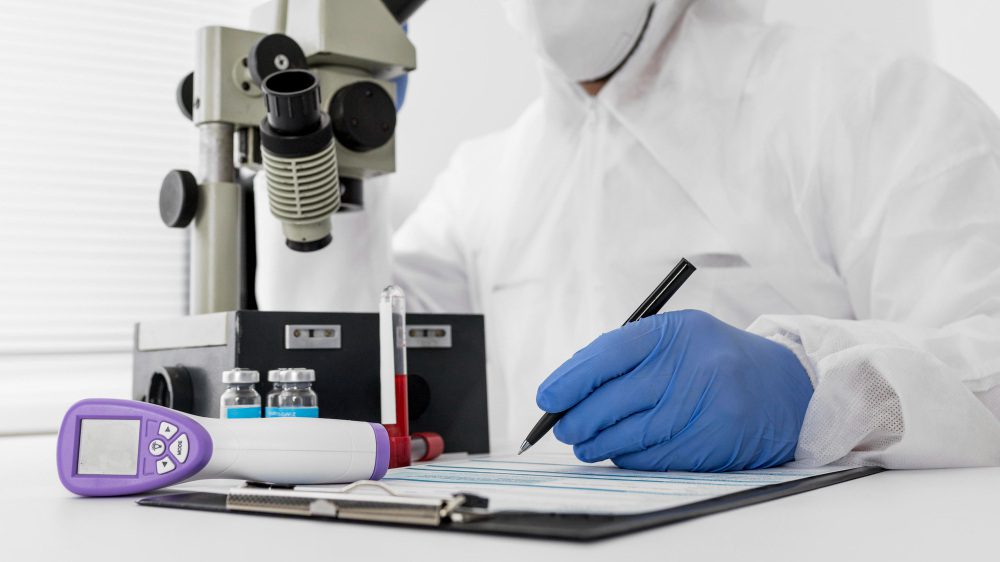
HACCP testing lab analyzing food samples for safety

Businesses must take food safety seriously. Food that is delivered to customers must be safe to consume, and this is where a HACCP Testing Laboratory will provide significant assistance. By identifying risks in food production, they help prevent problems before they arise. Rather than waiting to react when an issue arises, businesses can manage these problems sooner rather than later, which provides protection for both customers and brands.

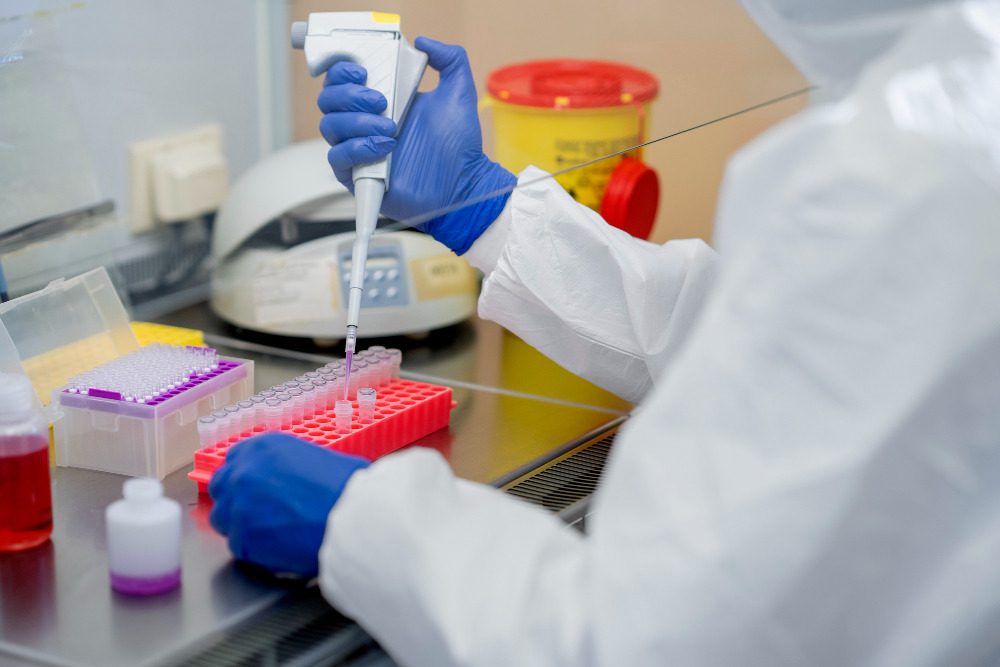
HACCP testing lab analyzing food samples for safety

What is HACCP and Why It Matters

Hazard Analysis and Critical Control Points (HACCP) is an established procedure for finding and controlling food safety hazards. These hazards can be caused by microorganisms (bacteria, etc.), chemical substances or physical contaminants.

An HACCP plan is organized by studying each stage of the food production process, from receiving raw materials through packaging, ensuring that each step is reviewed. Performing an HACCP study allows the company to guarantee consistent product quality, but also helps minimize the risk for foodborne illnesses or having the product returned to your facility due to a food quality issue.

Role of Testing Labs in HACCP

Testing labs support HACCP systems by giving accurate data. They test food samples and confirm if they meet safety standards. Without proper testing, a HACCP plan is incomplete.

Labs check for harmful bacteria, toxins, and other contaminants. They also verify if products meet legal requirements. This helps businesses stay compliant and avoid penalties.

A reliable testing partner, like METS Laboratories, ensures that every test is done with care and accuracy. Their support helps companies build trust with customers and regulators.

Compliance With Food Safety Regulations

Food businesses need to meet very high standards (including international standards) when it comes to food safety. food testing laboratory in UAE help companies comply with these high standards by ensuring that their products are safe to eat in both local and global markets.

food testing laboratory in UAE performing quality analysis

The regular testing should help the company stay in good standing with its certification. This is particularly important for products being exported, and for products that will be distributed on a large scale. When products satisfy all necessary criteria to enter new markets, it will be easier to establish new customers in those markets.

Improving Product Quality Through Testing

Food safety is not just about avoiding risks. It is also about improving quality. Testing labs help businesses understand their products better.

For example, a nutritional analysis lab provides details about nutrients in food. This helps brands label their products correctly. It also supports better product development.

When companies know what is in their food, they can make improvements. This leads to better taste, better quality, and higher customer satisfaction.
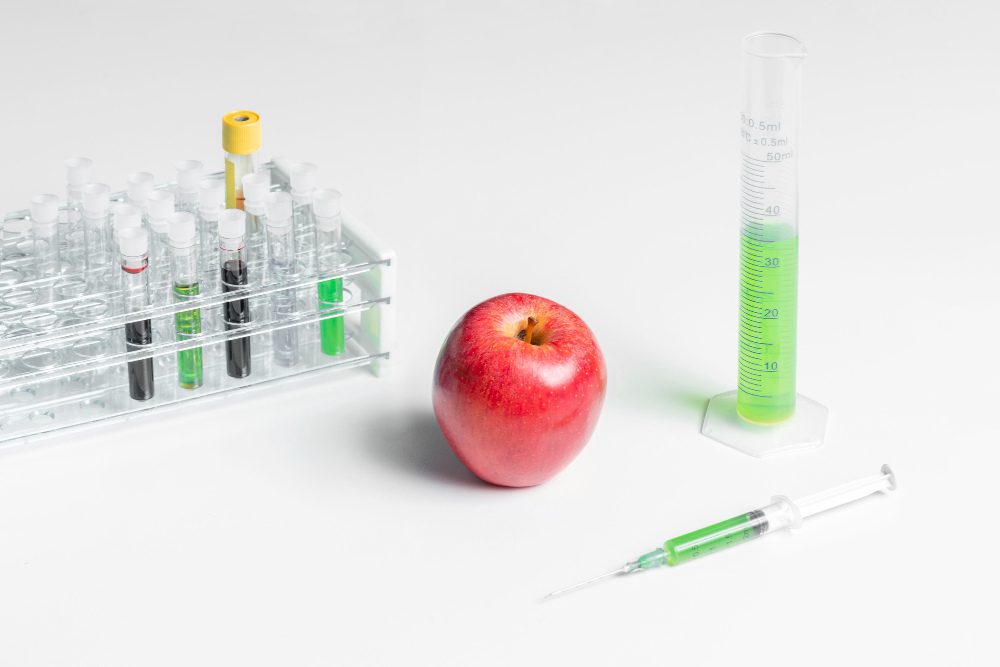
nutritional analysis lab measuring food nutrient content

Reducing Risks and Building Trust

One major benefit of HACCP testing is risk reduction. Problems are identified early, so they can be fixed quickly. This prevents unsafe products from reaching the market.

Customers today are more aware of food safety. They expect brands to be transparent and responsible. Regular testing shows that a company cares about its customers.

When businesses follow HACCP principles and use proper testing, they build strong trust. This trust leads to long-term success.

Final thoughts

Food safety is a constant occurrence and requires thorough planning, frequent inspection and accurate testing. Because of this, it is essential that you have an effective food safety management plan and that you use a reputable HACCP laboratory to give your business an advantage against potential hazards.

Working with professionals such as METS Laboratories will provide your company with the ability to achieve accurate test results and maintain greater control over the food safety process. By implementing proper testing and monitoring of your products, you will be able to provide your customer with quality products every time.


ISO Approved Lab Certification Benefits for Your Business

Technician conducting quality testing inside an ISO approved laboratory facility

Running a business means juggling many tasks. One of the most important tasks is making sure your products meet standards. When your products are tested in an ISO Approved lab, you gain trust. Customers, partners, and regulators all look for proof that your products are safe and reliable. In this blog post, we explain the real benefits of ISO lab certification. We keep the words simple. We keep the ideas clear.


Quality matters. Every business wants quality. But saying “we have quality” is not enough. Third-party certification proves it. When a trusted lab tests your products, you back your claims with facts. This builds confidence in your brand. People trust verified results more than claims. That’s why lab certification plays a big role in business growth.

Technician conducting quality testing inside an ISO approved laboratory facility

Testing in a certified lab helps reduce mistakes. When you know your product meets a standard, you avoid costly returns and recalls. A certified lab follows strict procedures. Their results are dependable. This means your team can act on the results with confidence. Instead of guessing, you have data. Clear data leads to better choices. Wise decisions protect your reputation and your profits.


What Certification Means for Your Business


Standards are not just rules. They are a way to show your business works in a consistent way. Certification proves you meet those standards. This matters in local markets and in exports. Many countries require certified tests before letting products enter their market. This is where lab certification becomes more than a nice-to-have. It becomes a must-have.


Working with independent labs also improves your internal processes. When your product goes through formal testing, your team learns from the feedback. This helps you improve product quality quickly. Over time, better quality becomes part of how you work. This makes your entire business stronger.


Certified results also help during audits. When regulators come, you can show reliable test reports. This saves time. It eases stress. It keeps your business running. Audit success is not just about passing. It’s about proving you work responsibly.


Boosting Confidence with Third-Party Testing


Customers today ask tough questions. They want proof. They want safety. They want reliability. When your lab tests are certified, your answers are stronger. This is especially true when the lab is known and trusted. A certification gives weight to your product claims. This builds lasting customer confidence.


Bigger companies often require suppliers to use certified labs. This protects their brand and their customers. When your business meets these requirements, you open doors. Doors to bigger deals. To better partnerships. A certified lab result is like a business ticket. It lets you play in a bigger league.


ECAS Approved Lab and Market Access


As your business grows, you will meet more rules. Some markets require specific approvals. Being connected with an ECAS Approved lab ensures your products meet these requirements. It simplifies entry into regulated markets. This can speed up approvals and reduce delays.

Laboratory professional performing compliance testing in an ECAS approved lab

Approval through ECAS shows your product is tested against recognised standards. It means the testing follows set rules. This makes your product easier to accept in global trade. It also shows transparency. When buyers see recognised lab approvals, they feel secure about doing business with you.


Using an approved lab also minimizes risks. You avoid legal issues that can arise from improper testing. You protect your brand. You protect your customers. You protect your future sales.


Certification Helps Small and Large Businesses


Many small businesses think certification is only for big companies. This is not true. Small businesses benefit as much, if not more. For a small brand, certification brings credibility fast. It tells the market you are serious about quality. This levels the field between you and larger competitors.


Large businesses also need certified tests. They have strict compliance needs. They face bigger penalties if a product fails. Certified labs help these businesses stay compliant at every step. This makes operations smoother, safer, and more predictable.


Certification Saves Money in the Long Run


Initially, you may see testing as an expense; however, testing saves money later on. You could incur greater costs from returns and reputation damage if you sell defective products compared to the cost of performing tests before shipping the products. Additionally, test reports from certified labs allow you to identify issues early; fixing issues is less expensive when addressed sooner and keeps customers satisfied.


Reliable testing helps to minimize assumptions; therefore, you will spend less time on rework due to any quality problems your team encounters. As a result, you will have lower production costs due to significantly reduced rework levels, which will add together over time and protect your margins through the certification process.


Using Results in Marketing and Sales


Certified lab reports are not just for regulators. They are a marketing tool too. You can use them to show your product’s strengths. Add certified results to your brochures, website, and product labels. This builds trust with customers who value proof over promise.


Buyers often compare products based on test results. When your competitors lack certified data, your product stands out. Certification becomes a competitive edge. It shows you care about quality more than the rest.


Long-Term Business Growth


Certification supports long-term goals. It shows your business is serious about quality and safety. It strengthens your relationships with partners. It protects your brand reputation. It also makes internal systems stronger. When your business works with clear standards, growth becomes easier and more sustainable.


Getting certified results from a trusted source is a strategy for steady success. It builds confidence among customers and partners. It protects your products and your profits. These benefits last as your business grows.


HACCP Testing Lab and Food Safety

Food safety analysis being conducted inside a HACCP testing laboratory

Food organizations and other companies in the food chain depend on the safety of the products they purchase. If a company uses a lab that performs HACCP testing lab, they are ensuring that their food products are made according to strict guidelines and procedures. HACCP certification is about finding and controlling hazards as they relate to food production; this process reduces the risk of potential harm to consumers. Certification demonstrates to the consumer that the company is trustworthy, which contributes to maintaining a positive brand image.


Additionally, certification helps organizations to comply with laws and regulations. Companies that use certified testing are more likely to produce safe food. This reduces the risk of recalls and other legal problems. It also enhances the relationship between food buyer(s) and food manufacturers by establishing a mutual expectation for safe, sustainable, and quality food products.