
Warehouses depend on strong and safe storage systems. A small fault in a rack can lead to serious damage or injury. That is why testing is not optional. It is a must. A Pallet Racking System Testing Lab plays a key role in making sure every rack meets safety rules and performs well under load. Companies like METS Laboratories help businesses check, verify, and improve their systems before problems happen.
Why Compliance Matters
Compliance means following set standards and safety rules. These rules are not just paperwork. They are based on real risks seen in warehouses over time. When racks fail, goods fall. Workers get hurt. Operations stop.
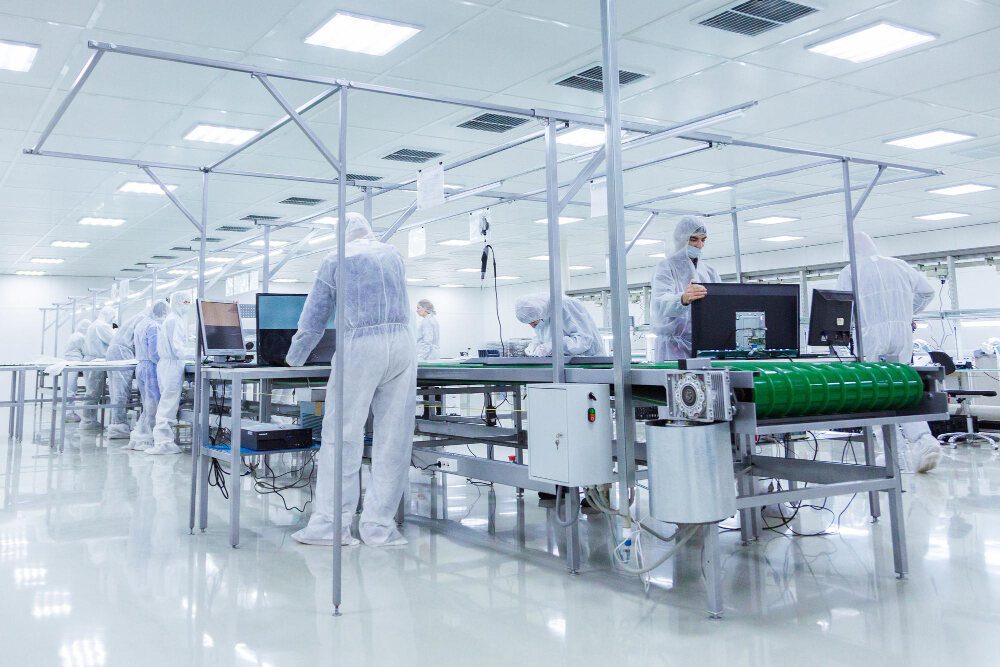
Testing helps prevent this. It checks if racks can carry the weight they are designed for. It also checks how they behave under stress, impact, and long-term use. Without proper testing, even a new system can be unsafe.
What Gets Tested in Racking Systems
A testing lab looks at several parts of the system. Each part matters.
- Load capacity – Can the rack hold the stated weight safely?
- Beam strength – Are the horizontal supports strong enough?
- Upright frames – Do the vertical supports stay stable?
- Connections – Are joints and locks secure?
- Impact resistance – What happens if a forklift hits the rack?
These tests give clear answers. They show if a system is ready for real use.
How Testing Is Done
The process is simple but detailed. First, the lab studies the design and materials. Then, physical tests are carried out.
Loads are added step by step. Sensors measure bending, stress, and movement. In some cases, racks are pushed to failure limits. This helps find weak points.
Labs also follow global standards. An ISO Approved lab is one that is guided by stringent rules. This makes the results reliable and of global acceptance. It also implies that the test procedure is uniform and unbiased.

True Advantages to Businesses.
Rules are not the only thing about testing. It is also value added.
- Safety improvement – Reduced accidents and injuries.
- Longer life cycle – Systems have longer lives with validation.
- Cost savings – Eliminate repairs and replacements.
- Legal protection – Compliance with safety laws and evade punishment.
Businesses are confident when the racks are tested. They are aware that their system is capable of dealing with day-to-day operations.
Preventing Hidden Risks
Not everything is apparent. Certain issues are slow growing. Metallic fatigue, low quality welding or design can be not demonstrated immediately.
Testing assists in uncovering these hidden risks in advance. This is significant in big warehouses whereby racks are used on a daily basis. A little problem can multiply in a short period of time when not addressed.
The wear over time can also be tracked with regular testing. When a system requires repair or replacement, it indicates it.
Role of Expert Labs
Skill and accuracy are introduced by professional labs. They employ sophisticated equipment and professionals. This is a way of guaranteeing proper results.
They report also. Such reports can be helpful in audits and inspections. They demonstrate that the system is of the standards required.
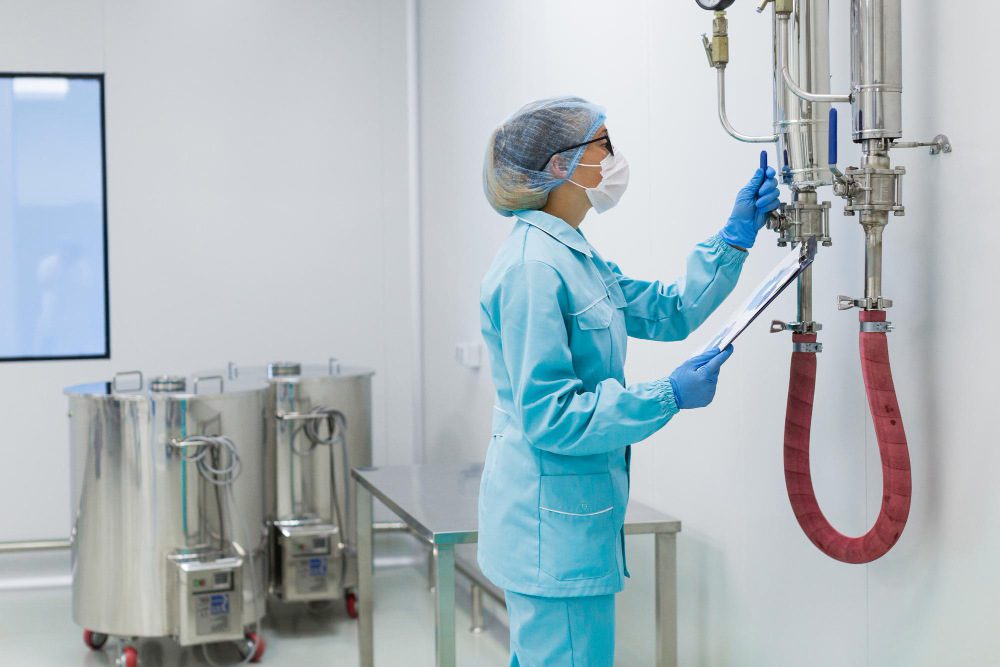
There are other labs that provide other testing services as well. As an example, a Hydrostatic pressure testing lab tests the behavior of materials at pressure. Although applied to various products, it indicates extensive testing potential of a full-service laboratory.
Supporting Industry Standards
Testing labs follow both local and international standards. These may include load testing norms, safety codes, and design guidelines.By following these, labs help businesses stay aligned with industry expectations. This is important for companies working with global clients.
Compliance also builds trust. Clients and partners feel more confident working with a company that follows tested systems.
When Do You Take a Test?
It should not be a single-time testing method. It must be performed at major steps:
- Before installation
- After installation
- During regular maintenance
- Following any damage or alteration.
Periodic tests keep systems secure and in check.
Final Thoughts
Warehouse safety depends on strong systems and smart checks. Testing is a simple step with big impact. It protects people, goods, and operations.
Working with experts like METS Laboratories makes the process easier and more reliable. With proper testing, businesses can meet standards, reduce risks, and run smoothly every day.