



Industrial equipment works under high pressure every day. Pipes, tanks, and vessels must handle stress without failure. Even a small leak can cause serious damage. This is why testing is not optional. A Hydrostatic pressure testing lab plays a key role in checking strength and safety. Hydraulic testing is performed using water under controlled pressure to determine if equipment has any weaknesses. Hydraulic Testing is a very safe and reliable method of determining weak areas of an asset before it is used in actual service. Many industries use hydraulic testing to reduce the risk of accidents, minimize downtime, and reduce expensive repairs.
Why Pressure Testing Matters
Equipment failure can lead to loss of life and property. Many systems operate under extreme pressure. Over time, materials can weaken. Small cracks may form. These are not always visible. Pressure testing helps find these hidden issues. It checks if the equipment can hold pressure without leaking or breaking.
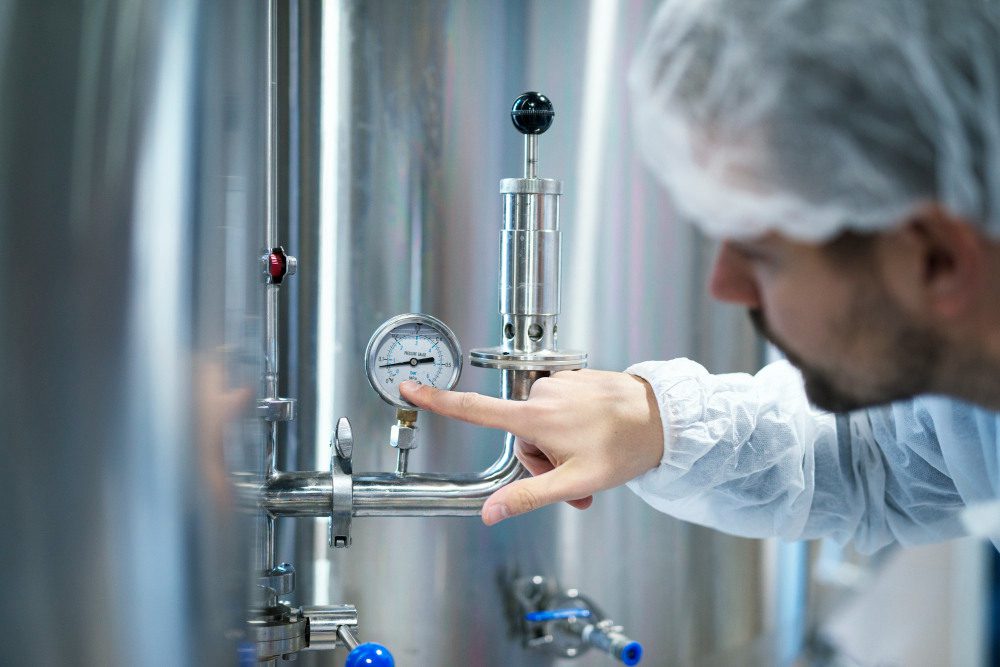
Hydrostatic testing is simple in concept. The equipment is filled with water. Then pressure is applied slowly. The system is observed for leaks or deformation. Water is used because it is safer than air or gas. If something fails, it does not explode. This makes the process secure and controlled.
Where It Is Used
Many industries depend on pressure testing. Oil and gas pipelines need it before operation. Manufacturing plants test boilers and tanks. Construction projects check pipelines and storage systems. Even fire safety systems use this method to ensure reliability.
Testing is not a one-time task. It is done during installation and also during maintenance. Regular checks help extend equipment life. They also ensure compliance with safety standards.
Role in Industrial Safety Systems
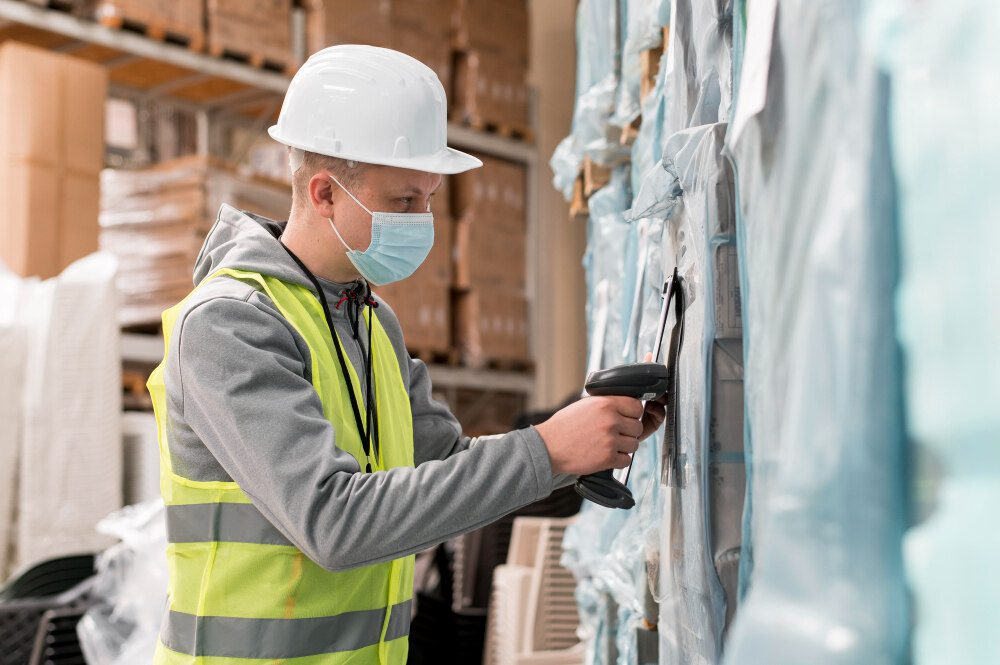
Industrial safety is not limited to one type of testing. It involves multiple checks. Storage systems, for example, also need strength testing. A Pallet racking system testing lab ensures that warehouse structures can hold heavy loads safely. When combined with pressure testing, it creates a safer working environment.
These systems often work together in industries. A failure in one area can affect the whole operation. So, a complete safety approach is always better than isolated testing.
Benefits of Hydrostatic Testing
There are clear advantages to using hydrostatic testing:
- It detects leaks early
- It ensures structural strength
- It meets safety regulations
- It reduces risk of failure
- It improves equipment lifespan
The process is also cost-effective. Finding a problem early saves money later. Repairs are easier before installation than after failure.
Compliance and Standards
All industrial workplaces are subject to safety regulations. Safety regulations vary according to geographical area, industry code, and type of operation; however, testing laboratories utilise established and acknowledged testing procedures that generate accurate data so that test results from these laboratories can be used as a basis for obtaining certification (as well as provide verification for regulatory inspections and audits).
The reliability of a testing laboratory is determined by using appropriate instruments and appropriately qualified personnel under a clearly defined guideline for processing samples and documenting each step or phase of the process, thereby enhancing the trust of the laboratory’s customers and creating reliable test results.
A Broader View of Safety
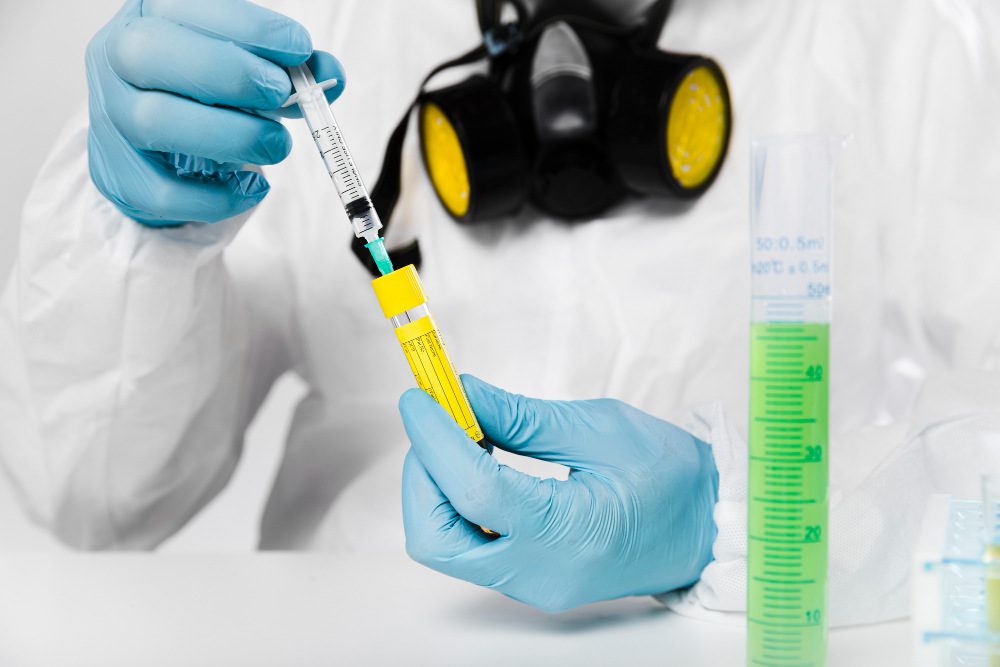
Industrial safety includes more than just pressure systems. Air quality and air emissions are also important aspects of industrial safety . Hazardous gases both as they have the potential to cause harm to workers and the environment. An example is testing for VOC (volatile organic compound) emissions through a voc emission testing lab will allow industries to determine types of VOC emissions associated with products and processes; thus meeting the requirements established by state or federal environmental regulatory agencies.
Combining testing types amongst different types of industries creates a safer and cleaner work environment for both people and for the environment.
Conclusion
Hydrostatic pressure testing is a key part of industrial safety. It helps prevent failures before they happen. It is simple, effective, and widely used. When combined with other testing methods, it builds a strong safety system. Industries that invest in proper testing reduce risks and improve performance. In the end, safety is not just a requirement. It is a responsibility.