

IQS Testing Lab: Ensuring Quality, Safety & Compliance

IQS Testing Lab img

The quality of products is not a choice in the modern competitive environment. The customers demand safety and durability and adherence to the regulations. That is why partnering with a certified IQS testing lab plays a critical role in building product confidence.

The manufacturers will have to demonstrate that their products are up to the rigorous industry standards. An experienced HACCP testing lab and recognized ECAS Approved lab help ensure compliance with food safety and regulatory frameworks. When properly tested, it causes confidence among the distributors, retailers and end users.

The Importance of Product testing as never before.

The current consumers have become more informed and vigilant. They will like products that are supported by trusted certifications and laboratory reports. Working with a professional IQS testing lab ensures products meet performance and safety requirements.

The Importance of Product testing as never before.

Testing helps businesses:

  • Determine the product weaknesses.
  • Improve quality control
  • Reduce recalls
  • Create credibility in the market.

A reliable ECAS Approved lab ensures your products meet government-mandated standards.

Maintaining Regulatory Compliance.

There are various safety regulations that should be followed by different industries. The inability to adhere to these standards may lead to punishments or the rejection of the products. A trusted IQS testing lab helps companies stay compliant from the beginning.

An accredited HACCP testing lab ensures food and beverage products meet hygiene and safety protocols. Similarly, an ECAS Approved lab verifies conformity with Emirates Conformity Assessment Scheme requirements.

Enhancing Customer Confidence.

Customers gain confidence in the safety of the product and this leads to trust. Certification from a qualified IQS testing lab reassures buyers that the product has undergone strict evaluation. It is an expression of quality dedication.

When products are verified by a professional HACCP testing lab, food safety standards become transparent. Approval from an ECAS Approved lab adds another layer of credibility in regulated markets.

Reducing Business Risks

Failure of the products can have a negative impact on the reputation of a brand forever. The early testing reduces the presence of defects in the market through early testing. A dependable IQS testing lab minimizes risks through structured evaluation processes.

The advantages of risk reduction are:

  • Fewer legal issues
  • Lower recall costs
  • Better reliability of products.
  • Enhanced brand reputation

An experienced HACCP testing lab also reduces contamination risks in food production.

Improving Market Access

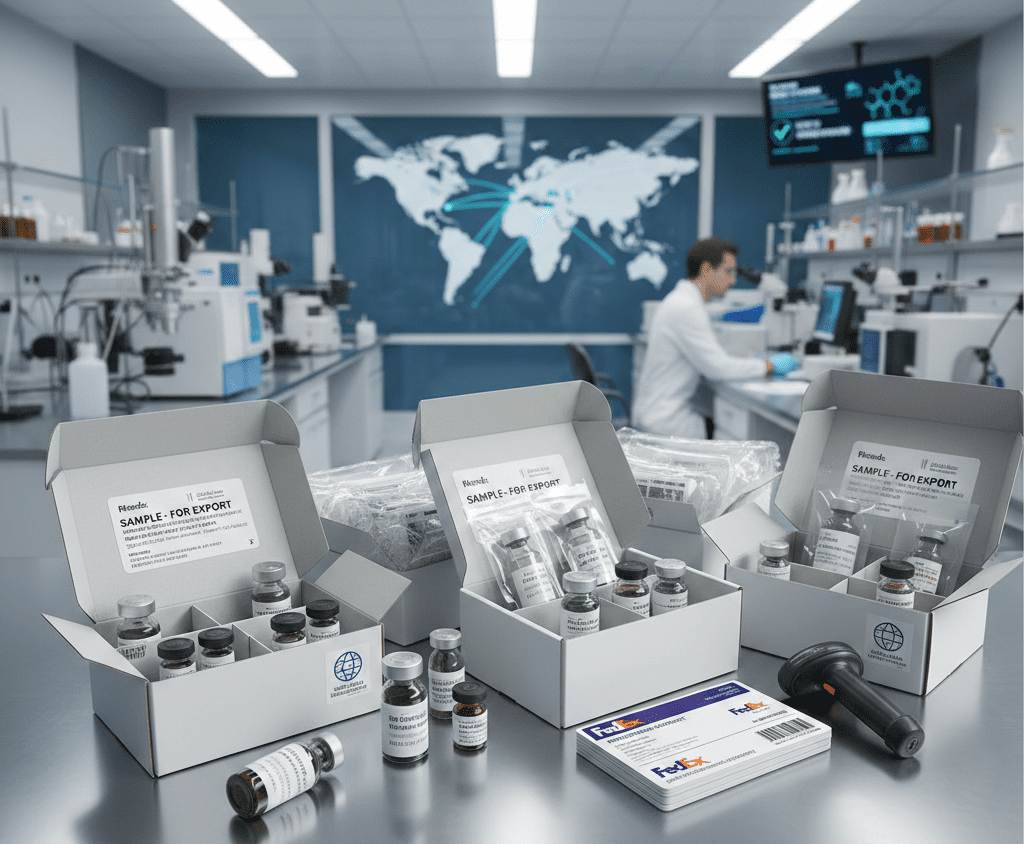
There are a lot of foreign markets where certified laboratory reports are needed. Exporting of products cannot be easily done without appropriate documentation. A recognized ECAS Approved lab helps businesses meet these requirements efficiently.

Partnering with an established IQS testing lab increases acceptance across global markets. Companies working with a certified HACCP testing lab gain smoother approval in food-related exports.
Improving Market Access 1

Investing in Continuous Quality Improvement.

Testing is not a one time activity. It favors continuous product development and innovation. A professional IQS testing lab provides insights that help improve product design and safety standards.

Continuous improvement incorporates:

  • Routine quality checks
  • Analysis of product performance.
  • Compliance updates
  • Process optimization

An accredited ECAS Approved lab ensures that improvements align with regulatory changes.

The Rationale behind selecting a reliable testing partner.

The choice of the appropriate laboratory defines the quality of your certification. A qualified IQS testing lab combines technical expertise with accurate reporting. Open procedures create partnership in the business relationships over time.

Working with a certified HACCP testing lab and recognized ECAS Approved lab ensures your products meet both safety and conformity standards. This is the wide-ranging strategy that builds product confidence and makes your brand reputable in the competitive markets.The Rationale behind selecting a reliable testing partner.

Developing Trust by Certified Examination.

The confidence in the products is established on evidence and not promises. Businesses that invest in a professional IQS testing lab demonstrate accountability and quality commitment. The certification enhances the relationships with the regulators, distributors and even the customers.

By collaborating with a reliable HACCP testing lab and reputable ECAS Approved lab, companies ensure their products are safe, compliant, and market-ready. Verified testing is the key to successful operations in the competitive environment of the modern business world.


 

Meeting EU & UK Compliance: What UAE Exporters Must Know About Product Testing Regulations

Exporters in the United Arab Emirates (UAE) will be allowed to go to the European Union (EU) and the United Kingdom (UK) markets as long as strict systems of compliance are observed. Regulations such as CE marking, extensive chemical testing, and detailed conformity assessments are designed to safeguard consumers, the environment, and fair trade practices. All these are not optional requirements but the essential entry barriers to businesses with an aim of expanding into the international market through hubs such as Dubai, Ajman and other Emirates.

Exporters need to know that it is not an exercise that can be done once. Rather, it is an ongoing duty that starts at the design phase and follows through to post-market surveillance. Reliable product testing in UK and EU contexts ensures that goods manufactured in the UAE meet the expected standards abroad.

Why Compliance Matters for Exporters

One of the most highly regulated markets in the world is the EU and the UK. Their structures emphasize safety of consumers, lineage of products and sustainability. This would be binding UAE exporters to be more strict than others in some regional markets. For example, toys, electronics, cosmetics, and industrial goods must undergo mandatory chemical testing before entering European shelves. 

Violating compliance may lead to the rejection of shipments, expensive recalls, or bad publicity. Besides, ports in the UK and EU have sophisticated systems meant at producing, and detecting non-consistent items. Compliance as an exporter in Dubai or Ajman is as concerned about retaining its credibility as it is about gaining entry to the market.

Understanding CE Marking

One of the most recognized compliance symbols in Europe is the CE marking. The meaning is that a product is satisfactory with all the legal conditions of EU directives concerning health, safety and environmental protection. For UAE exporters, applying CE marking is not only a technical process but also a strategic necessity.

While the latter can also be involved, the former is often characterized by conformity assessments, documentation, and/or by the third-party verification. By working with a certified testing partner, this certification exercise will comply with EU directives whilst meeting the post-Brexit conditions in the UK. Products without CE marking cannot legally be sold in the EU and face barriers in the UK unless UKCA marking is also considered.

Chemical Testing and Safety Requirements

EU and UK compliance regimes pay specific attention to chemical safety. Rules like REACH (Registration, Evaluation, Authorisation and Restriction of Chemicals) require exporting companies to show evidence that products are safe to use. For industries like textiles, plastics, and electronics, chemical testing ensures that harmful substances such as lead, cadmium, and phthalates remain within permissible limits.

Industrial centers in the northern emirates of Ajman and Sharjah tend to make materials that get to the European markets. These goods cannot be cleared through customs in Europe without needed tests. This necessitates strong local investment on excellent testing protocols by exporters.

Product Testing in UK: Unique Considerations

In the UK after Brexit, compliance is achieved separately through a UK system called UKCA (UK Conformity Assessed) mark. Nevertheless, most of the concepts are similar to those of the EU. It is important that exporters in Dubai and other Emirates learn to themselves understand these subtle differences. Certain products may require dual conformity under CE marking for EU markets and UKCA marking for the UK.

Working with laboratories familiar with product testing in the UK is advantageous. This will guarantee that technical documentation, labeling and test outcomes comply with the expectations of the UK governing bodies and foreign purchasers. By failing to adhere to these details, UAE exporters can lead their supply chains to failure and lose money. 

The Role of Accredited Testing Partners

Approved laboratories harmonize the distance between manufacturers in UAE and regulators in EU/UK. They conduct chemical testing, issue conformity certificates, and provide guidance on labeling requirements. The cooperation of the exporters of Ajman and Dubai with the certified testing companies decreases the time of the process and prevents the example of non-compliance.

Selecting a quality accredited testing service provider also increases confidence by the European distributors. It is evidence that the exporter has already made proactive moves to fulfill obligations. In practice, it may make a difference between winning long-lasting relationships and missing a profitable market.

Local Context, Global Relevance

The government actively aids exporters by taking the national standards to match those on the global merit. An example is how the free zones of Dubai support international trade via regulatory services, whereas the industrial clustering of Ajman centers on the production of products ready to be sold abroad. Although the exporter is ultimately secondary to responsibility in these local efforts, it is the exporter who is responsible.

By investing in CE marking, chemical testing, and accurate product testing in UK contexts, businesses in the UAE can enhance their credibility. The markets in the EU and in the UK require continuous work and regulations adjustments to suit the applicable rules. Practical laboratories such as METS Lab based in the UAE as well as the UK, are in a good position to enable this transition.

EU and UK compliance requirements are an opportunity and a challenge to the UAE exporters. The integration of CE marking, chemical testing, and robust product testing in UK frameworks ensures long-term access to demanding international markets. The road to compliance starts with knowledge and trusted relationships to exporters in Dubai and Ajman and beyond.

Companies with close relationships with other partners in different countries such as METS Lab also have an upper hand. METS Lab offers expertise in navigating complex regulations with services existent in both the UAE and UK to facilitate successfully reaching the market.